
Iranian Pickles Supplier: 7 Essential Sourcing Tips for U.S. Importers
The global market for pickled vegetables creates opportunities for food importers, distributors, wholesalers, and retailers searching for distinctive products from international markets. For companies interested in Persian and Middle Eastern foods, working with an Iranian Pickles Supplier can provide access to a diverse range of products, from pickled cucumbers and mixed vegetables to garlic, peppers, and traditional Iranian torshi.
Iranian pickles are more than a simple side dish. They are part of a long culinary tradition in which vegetables are preserved and combined with vinegar, herbs, spices, and seasonings to create distinctive flavors. For international food businesses, this variety creates opportunities to serve different customer segments while expanding an existing portfolio of preserved vegetables.
The United States is an especially interesting destination for companies operating in the international pickle trade. U.S. consumers are already familiar with pickled cucumbers and gherkins, while multicultural grocery retail and growing interest in international foods can create additional opportunities for specialty products such as Persian mixed pickles.
However, choosing a supplier should involve much more than comparing prices. Importers need to consider product specifications, packaging, labeling, quantities, logistics, target customers, private-label possibilities, and applicable destination-market requirements.
This guide explains seven important factors for professional buyers considering Iranian pickles for wholesale, retail, foodservice, or private-label distribution.
1. Start by Choosing the Right Iranian Pickles Supplier
A successful sourcing process begins with finding a supplier that can understand your commercial requirements. Every importer has different priorities, so there is no single product specification that works for every buyer.
A supermarket distributor, for example, may be interested in attractive retail jars that can be placed directly on store shelves. A foodservice distributor may prioritize larger quantities and packaging formats suitable for restaurants. A private-label buyer may need additional flexibility regarding branding and packaging.
Before requesting a quotation from an Iranian Pickles Supplier, prepare a clear purchasing brief. Identify the products you are interested in, your destination market, approximate quantity, preferred packaging, and intended distribution channel.
You should also request current product specifications rather than relying on assumptions. Depending on the product, useful information may include ingredients, vegetable type and size, net weight, drained weight, shelf life, storage conditions, packaging configuration, and available commercial formats.
The more specific your initial inquiry is, the easier it becomes for both buyer and supplier to determine whether there is a suitable commercial match.
2. Understand the Different Types of Iranian Pickles
One of the advantages of exploring Iranian pickles is the diversity of the category. Buyers do not necessarily have to build their sourcing strategy around a single product.
Pickled Cucumbers
Pickled cucumbers are one of the most familiar options for international buyers. They can be suitable for supermarkets, restaurants, sandwich businesses, catering companies, foodservice distributors, and wholesale operations.
Because consumers in many markets already understand the product, pickled cucumbers can provide an accessible entry point for distributors introducing Iranian preserved foods to a wider audience.
Mixed Vegetable Pickles
Mixed vegetable pickles offer a more distinctive presentation. Depending on the recipe, they may combine ingredients such as cucumbers, cauliflower, carrots, garlic, peppers, and other vegetables.
The variety of ingredients can create an attractive visual appearance and a flavor profile that differs from conventional single-vegetable pickles. This makes mixed pickles particularly interesting for specialty grocery stores and international food retailers.
Pickled Garlic
Garlic is another product associated with the wider Iranian pickle tradition. Pickled garlic can complement a broader range of Persian and Middle Eastern products and may appeal to consumers searching for specialty preserved foods.
Peppers and Other Pickled Vegetables
Depending on current supplier availability, international buyers may also explore peppers and other preserved vegetables. Combining several products can help distributors create a more complete pickle category rather than relying on a single SKU.
3. Know the Difference Between Iranian Torshi and Standard Pickles
Buyers entering the Iranian food category will frequently encounter the word torshi. The term is commonly associated with pickled vegetables in Persian cuisine and can cover a broad range of recipes and vegetable combinations.
This creates an interesting marketing opportunity. A conventional cucumber pickle may already be familiar to American consumers, while Iranian torshi can be presented as a more distinctive culinary product connected to Persian food culture.
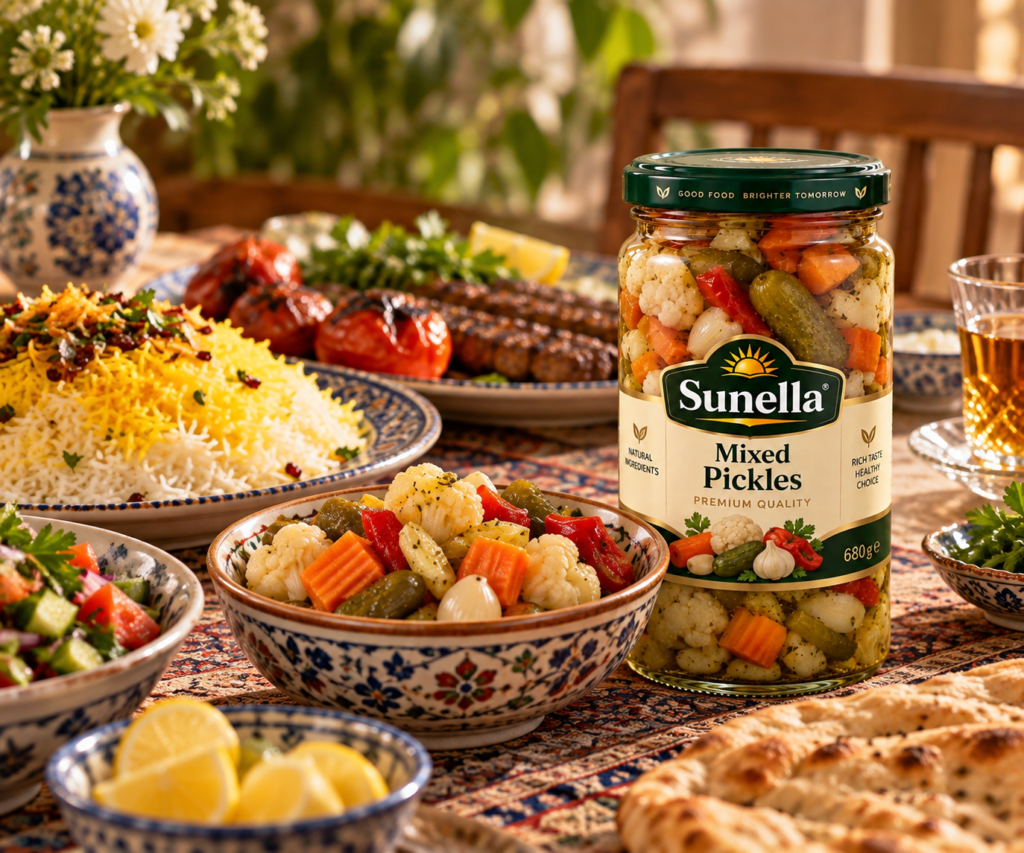
Retailers can help consumers understand the category through product descriptions, serving suggestions, recipes, and food photography. For example, mixed pickles can be shown alongside Persian rice, grilled meat, kebabs, salads, bread, and other dishes.
This type of presentation gives consumers context. Instead of seeing only a jar on a shelf, they can immediately understand how the product might become part of a meal.
4. Select Packaging for Your Target Sales Channel
Product quality is important, but packaging can have an equally significant commercial role. The appropriate package depends on where and how the product will ultimately be sold.
For retail businesses, the jar is part of the consumer experience. Branding, product visibility, label design, package size, and shelf presentation can influence how shoppers perceive the product.
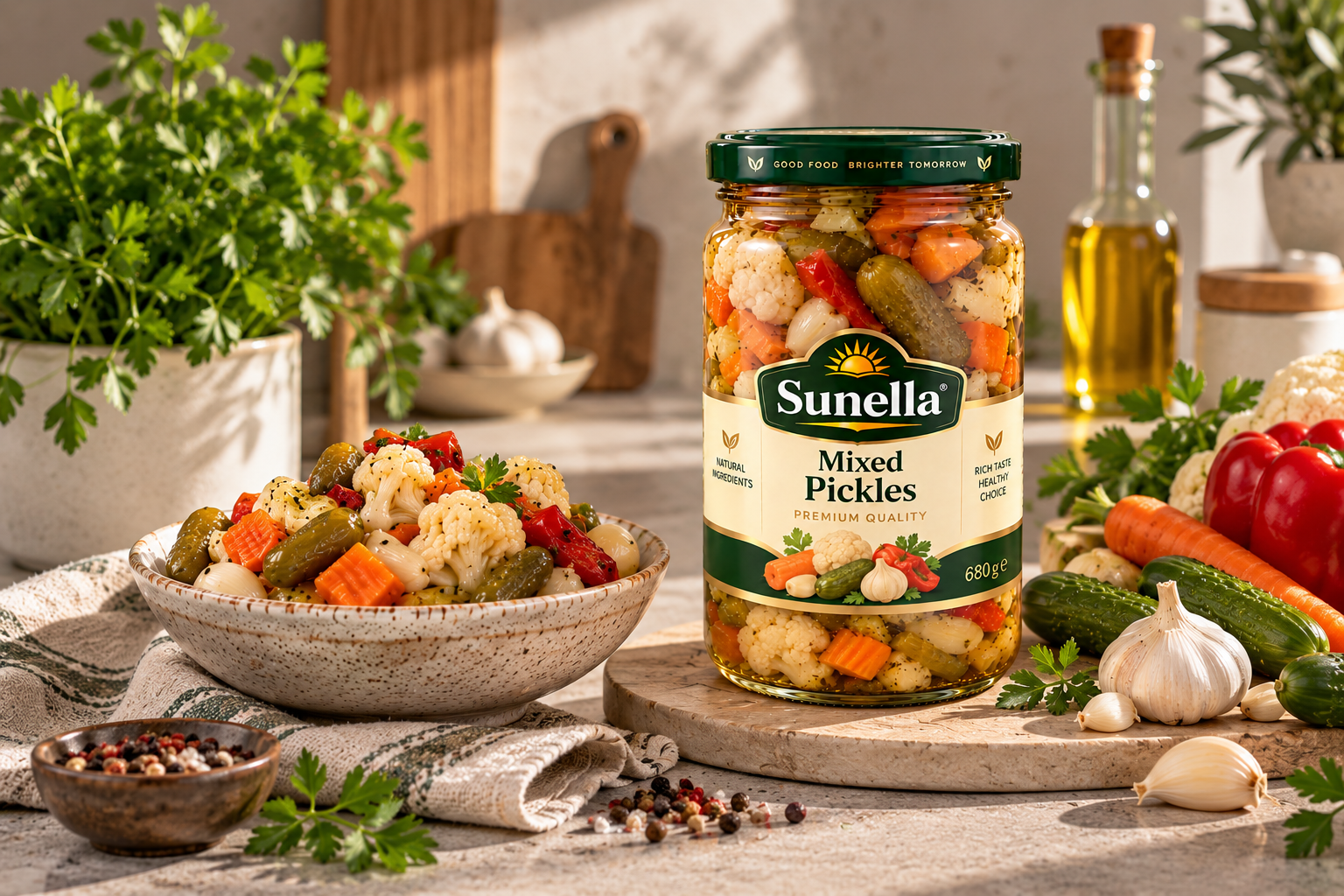
A transparent jar, for example, can allow consumers to see the vegetables inside. This can be particularly useful for colorful mixed pickles where cauliflower, carrots, cucumbers, peppers, and garlic contribute to the visual identity of the product.
Foodservice customers can have different priorities. Restaurants, hotels, catering businesses, and institutional kitchens may place greater emphasis on practical packaging, usable quantities, storage, and operational efficiency.
Wholesalers serving multiple channels may therefore need to discuss more than one packaging option with their supplier.
Buyers should also evaluate export packing and carton configuration because these factors can affect transportation, warehouse planning, and overall landed cost.
5. Evaluate Private Label Opportunities
Private label can create additional opportunities for retailers, distributors, and food companies that want to sell pickled vegetables under their own brand.
Instead of building a portfolio exclusively around existing consumer brands, a buyer may explore whether suitable products can be supplied for a private-label program.
Private labeling can be particularly relevant for supermarket groups, specialty-food businesses, importers with established distribution networks, and companies building their own Middle Eastern or international food brands.
However, buyers should not assume that every product or quantity is available for private labeling. Capabilities can depend on the supplier, production requirements, packaging, order volume, and other commercial considerations.
When contacting an Iranian Pickles Supplier about private label, provide useful details from the beginning. These may include your destination country, expected quantity, desired product, package size, branding requirements, and intended sales channel.
This information allows the supplier to determine which possibilities are relevant to your project.
6. Consider the Needs of the U.S. Wholesale Market
The United States provides multiple potential channels for pickled products. Conventional supermarkets, independent grocery stores, international food markets, Middle Eastern retailers, restaurants, foodservice distributors, and online food businesses can all serve different customer groups.
For an importer, this means that product selection should be connected to a clear distribution strategy.
Pickled cucumbers may be positioned for a relatively broad audience because American consumers are already familiar with cucumber pickles. Traditional mixed Iranian torshi, on the other hand, may initially be more suitable for specialty and international food channels where consumers are actively exploring distinctive products and cuisines.
Over time, educational marketing can help expand the potential audience. Recipes, serving ideas, social media content, food photography, and informative product pages can show customers how Iranian pickles can be incorporated into everyday meals.
Restaurants also represent an interesting application. Pickled vegetables can accompany grilled meat, rice dishes, sandwiches, appetizers, and shared plates. Foodservice distributors can therefore evaluate the category based on the needs of their restaurant customers as well as retail demand.
7. Calculate Total Sourcing Value Before Making a Decision
Wholesale buyers naturally need competitive pricing, but unit price should not be the only factor considered when comparing suppliers.
The real commercial calculation can involve product specifications, packaging, quantities, transportation, documentation, storage, labeling, logistics, and other costs associated with bringing the product to market.
For this reason, importers should compare the overall sourcing proposition rather than simply selecting the lowest quoted product price.
The right product also depends on positioning. A retailer developing a premium international food range may have different packaging and product requirements from a high-volume wholesaler focused primarily on price-sensitive customers.
Clearly defining the target customer before placing an order helps buyers make better product and packaging decisions.
What Should U.S. Importers Ask Before Ordering Iranian Pickles?
Good supplier communication can prevent misunderstandings later in the purchasing process. Professional buyers should prepare relevant questions before requesting a final quotation.
Start by confirming the exact product specifications. Ask about available products, ingredients, net weight, drained weight where applicable, packaging, shelf life, and storage recommendations.
Next, discuss commercial requirements. Ask about available quantities, packaging options, export packing, private-label possibilities where relevant, and the information needed to prepare a quotation.
The buyer should also independently review applicable destination-market requirements. Food imports may be subject to regulatory, labeling, customs, and other requirements depending on the destination and specific product.
For the United States, buyers should confirm the requirements applicable to their products and shipments with appropriate regulatory, customs, food-industry, and logistics professionals where necessary.
How Iranian Pickles Can Fit Different B2B Sales Channels
A major advantage of the pickle category is that the same general product family can serve several commercial channels.
Importers and Distributors
Importers can add Iranian pickles to an existing portfolio of Persian, Middle Eastern, Mediterranean, or international foods. Distributors can then supply these products to retailers and foodservice customers within their network.
Supermarkets and Grocery Stores
Retail stores can sell consumer-ready jars individually or develop a wider international pickle section featuring multiple products. Attractive packaging and clear product information become particularly important in this channel.
Middle Eastern and Persian Food Stores
Specialty retailers can be a natural channel for Iranian torshi and related products because many customers may already understand the category or actively search for Persian food products.
Restaurants and Foodservice
Restaurants can serve pickled vegetables alongside meals or use selected products as ingredients. Buyers in this channel may have different requirements regarding packaging and volume than retail customers.
Private Label Food Companies
Companies developing their own brands can investigate private-label opportunities where available. This approach may allow them to create a product range designed around their own target market and brand positioning.
How to Request a Quote from an Iranian Pickles Supplier
One of the simplest ways to improve the sourcing process is to send a detailed inquiry. Messages such as “Please send your best price” often do not contain enough information to prepare a meaningful B2B proposal.
Instead, tell the supplier what you actually need.
Your inquiry should identify the product or products you are interested in, the destination country, approximate order quantity, preferred packaging, and intended sales channel.
If private label is required, mention this clearly. If you have specific product or packaging requirements, include those as well.
Providing this information at the beginning can reduce unnecessary communication and help both parties determine whether the opportunity is commercially suitable.
Why Product Presentation Matters for Wholesale Pickles
In a competitive food market, buyers are not purchasing only the food inside the container. Packaging, photography, brand presentation, product information, and merchandising can influence how successfully a product reaches consumers.
Mixed pickles have a particular visual advantage because the different vegetables naturally create color and variety. Cucumbers, carrots, cauliflower, peppers, and garlic can make the product immediately recognizable through transparent packaging.
High-quality photography can extend this advantage online. Rather than displaying only a standalone jar against a plain background, lifestyle photography can show the product as part of a complete meal.
For example, displaying mixed pickles alongside Persian rice, grilled kebab, fresh herbs, salad, and bread helps communicate both product origin and serving context. This can be useful for websites, catalogs, social media, distributor presentations, and retail marketing.
Frequently Asked Questions About Iranian Pickles
What are Iranian pickles?
Iranian pickles are a broad category of preserved vegetables associated with Persian cuisine. Depending on the recipe, products may include cucumbers, cauliflower, carrots, garlic, peppers, and other vegetables. Mixed Iranian pickles are commonly associated with the Persian term torshi.
How can I find an Iranian Pickles Supplier?
Professional buyers can contact suppliers specializing in Iranian food products and preserved vegetables. Before ordering, buyers should request current information regarding product specifications, available packaging, quantities, commercial conditions, and export requirements.
Can Iranian pickles be ordered wholesale?
Wholesale possibilities depend on the individual supplier and product. Importers, distributors, retailers, and foodservice businesses should provide their destination and estimated purchasing quantity when requesting commercial information.
Can I source Iranian pickled cucumbers for the U.S. market?
International sourcing possibilities depend on the supplier, product, commercial conditions, and applicable import requirements. U.S. buyers should confirm relevant regulatory, labeling, customs, and other requirements before importing food products.
Are private-label Iranian pickles available?
Private-label opportunities may be available for selected products and quantities. Availability can depend on packaging, order volume, production capabilities, and other commercial requirements.
What should I include in my wholesale inquiry?
Include the products you need, destination country, estimated quantity, preferred packaging, target sales channel, and private-label requirements if applicable. You can also request current specifications and relevant commercial information.
Start Sourcing Iranian Pickles for Your Business
Finding the right Iranian Pickles Supplier is ultimately about matching a product with your customers, distribution model, and commercial requirements.
Pickled cucumbers can provide a familiar entry point into the category, while mixed pickles, garlic, peppers, and traditional torshi can help importers build a more distinctive product assortment.
For wholesalers and distributors, the next step should be defining exactly what the business needs: target product, destination, expected quantity, packaging, sales channel, and any private-label requirements.
JTB Plus provides sourcing information for professional buyers exploring Iranian pickles and related products for international markets.
If you are an importer, distributor, wholesaler, retailer, or foodservice buyer, provide your purchasing requirements to discuss available options and current commercial information.
Looking for an Iranian Pickles Supplier?
Tell us what you need. Send your destination country, required pickle products, estimated order quantity, preferred packaging, and private-label requirements.