
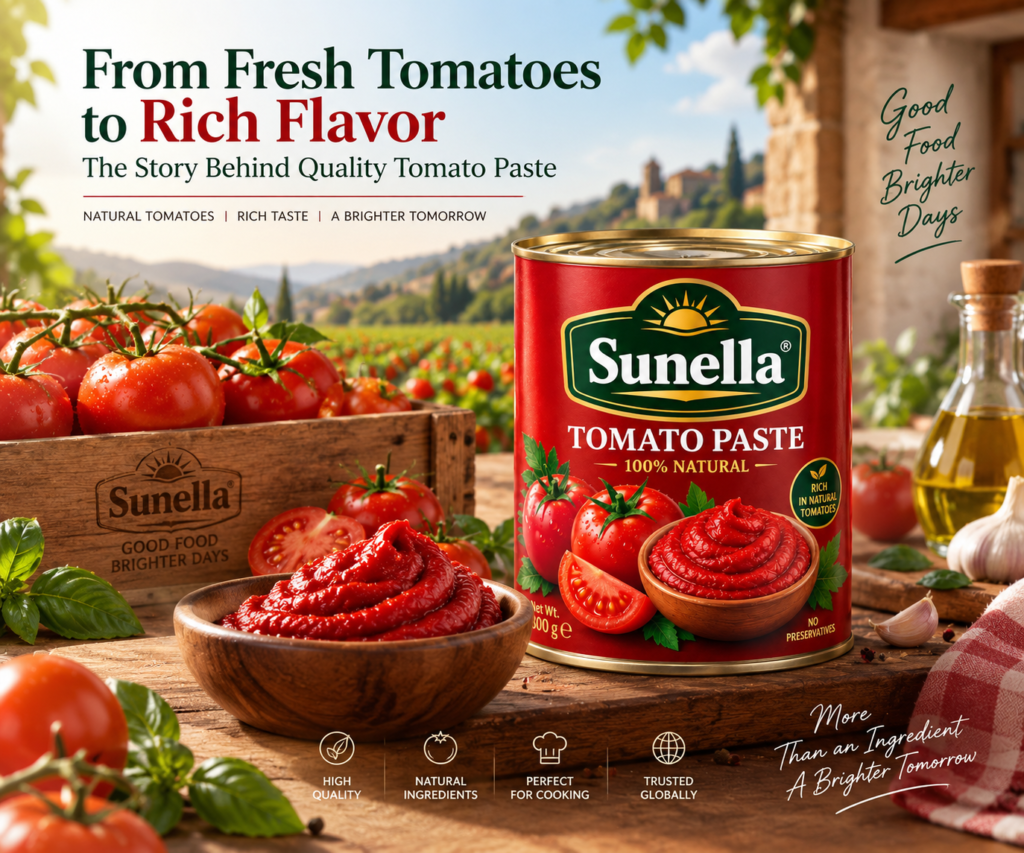

Quality Tomato Paste
Tomato Paste: Benefits, Uses and How to Choose the Best Tomato Paste
Tomato paste is a concentrated tomato product valued for its rich color, intense tomato flavor and versatility in kitchens around the world. From homemade sauces and soups to restaurant recipes and large-scale food production, a relatively small amount of tomato paste can add remarkable depth, body and tomato character to a dish.
But what exactly is tomato paste, how is it produced, and what should you look for when choosing a high-quality product? In this complete guide from Sunella Food, we explain the essentials of tomato paste, including its production, culinary applications, nutritional qualities, storage and the characteristics that can help buyers select the right product.
What Is Tomato Paste?
Because much of the natural water in tomatoes has been removed, tomato paste delivers concentrated tomato flavor, color and solids in a smaller quantity than less concentrated tomato products. This makes it especially useful for sauces, soups, stews, marinades, rice dishes and many professional food applications.
How Is Tomato Paste Made?
Commercial tomato paste production begins with suitable tomatoes that are processed to separate the usable tomato material from unwanted components. The tomato material is then concentrated by removing a significant portion of its water under controlled processing conditions.
The objective is to create a consistent product with the desired concentration, texture, color and flavor profile. Depending on the product specification and intended market, manufacturers may offer tomato paste in different concentrations and packaging formats.
From Tomato to Concentrated Paste
Although exact industrial processes and specifications vary between manufacturers and product types, tomato paste production generally involves several important stages:
- Selection and receiving of tomatoes
- Washing and preparation
- Processing and refinement of tomato material
- Concentration through controlled water removal
- Quality and consistency checks
- Filling and packaging according to the product specification
Careful control throughout these stages is important because concentration alone does not define quality. Color, consistency, flavor, processing conditions, packaging and conformity with the declared specification all influence the final product.
Tomato Paste vs. Tomato Sauce: What Is the Difference?
Tomato paste and tomato sauce may come from the same basic ingredient, but they serve different purposes in cooking.
Tomato paste is considerably more concentrated. Its thick consistency and intense tomato character make it useful when a recipe requires depth and tomato flavor without introducing a large amount of additional liquid.
Tomato sauce, on the other hand, normally contains more water and has a thinner consistency. It can often function as a larger-volume component of a recipe, whereas tomato paste is frequently used as a concentrated base or flavor-building ingredient.
In many recipes the two can even work together: tomato paste builds depth and body, while tomato sauce provides volume and moisture.
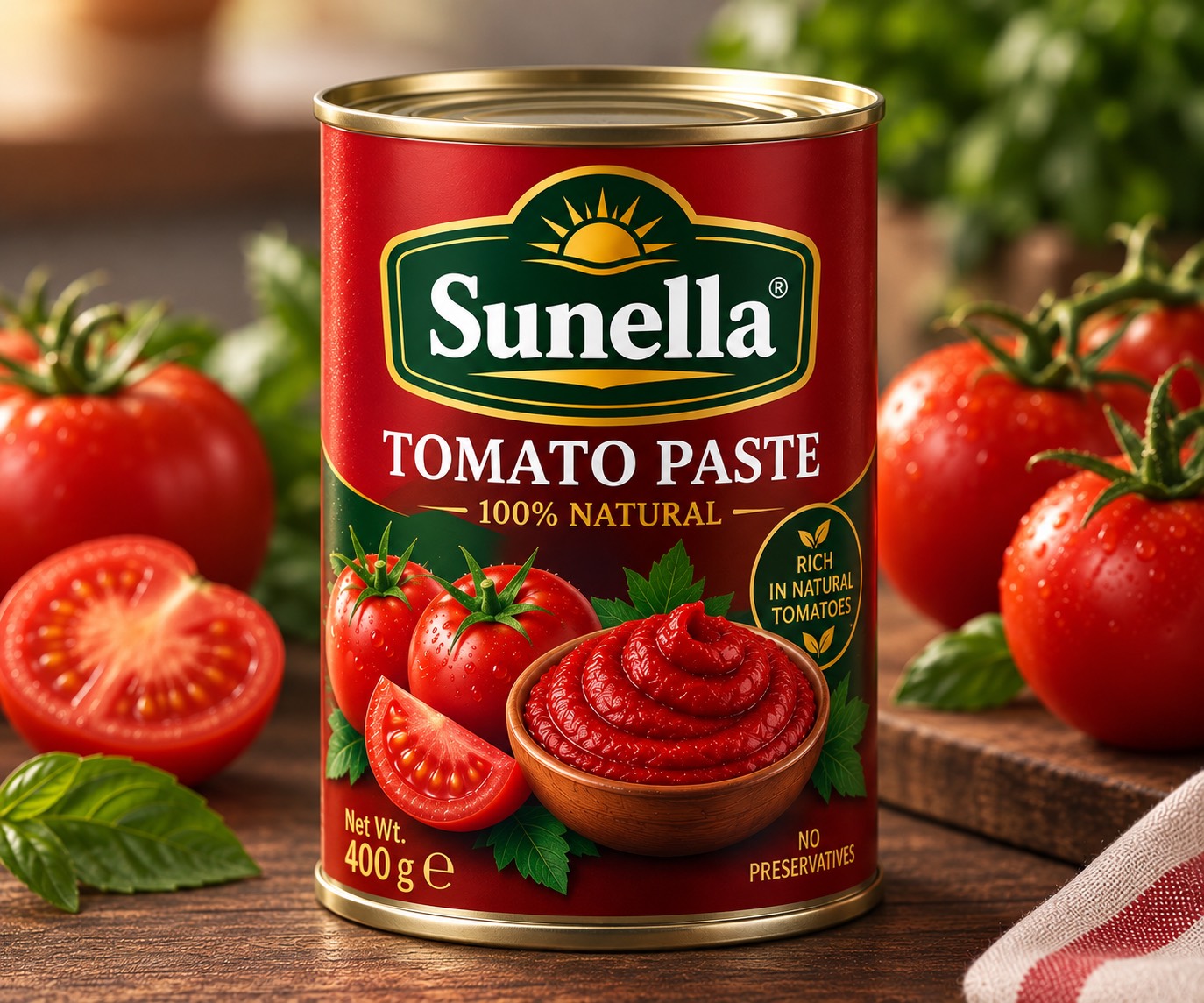
Why Is Tomato Paste Such a Useful Kitchen Ingredient?
Tomato paste has become a pantry and professional-kitchen staple because it combines convenience with concentrated tomato character.
1. Concentrated Tomato Flavor
One of the main advantages of tomato paste is intensity. Since a large portion of the water has been removed, a relatively small quantity can contribute substantial tomato flavor to a recipe.
2. Adds Body to Sauces and Stews
Tomato paste can help build a richer base for sauces, stews and similar dishes. Its dense texture makes it particularly useful in recipes where cooks want tomato character without making the dish unnecessarily watery.
3. Convenient and Versatile
Instead of preparing and reducing fresh tomatoes every time a concentrated tomato base is required, cooks can use tomato paste as a practical ingredient in everyday recipes.
4. Useful Across Multiple Cuisines
Tomato paste is not limited to one regional cuisine. It is commonly used in Mediterranean, Middle Eastern, European, Asian and international cooking, making it valuable for households, restaurants, catering businesses and food manufacturers.
Does Tomato Paste Have Nutritional Value?
Tomato products can provide naturally occurring tomato nutrients and plant compounds. One of the best-known compounds associated with tomatoes is lycopene, a carotenoid responsible for much of the characteristic red color of tomatoes.
The exact nutritional profile of a tomato paste product depends on factors such as the tomatoes used, concentration, recipe and serving size. Consumers who need precise nutritional information should therefore check the nutrition declaration and ingredient list on the specific product rather than relying on a general value for all tomato pastes.
How to Use Tomato Paste in Cooking
Tomato paste can be used in an impressive range of dishes. Its concentrated nature means that it is often added during the flavor-building stages of a recipe rather than treated simply as a finished sauce.
Tomato Paste for Pasta Sauce
Tomato paste can provide a concentrated tomato foundation for pasta sauces. It can be combined with ingredients such as onions, garlic, herbs, tomatoes and other seasonings to create a fuller sauce.
Tomato Paste for Pizza Sauce
Because it is thick and concentrated, tomato paste can be incorporated into pizza sauce recipes where controlled moisture and pronounced tomato flavor are desirable.
Tomato Paste for Soups and Stews
Adding tomato paste to soups and stews can strengthen their color, body and savory tomato character. It works especially well in recipes with beans, vegetables, meat, grains and legumes.
Tomato Paste for Rice Dishes
In many cuisines, tomato paste is combined with aromatics and cooking liquids before rice is added. This can distribute tomato color and flavor throughout the finished dish.
Tomato Paste for Marinades and Braised Dishes
Tomato paste can also form part of marinades, braising liquids and slow-cooked preparations, where its concentrated character blends with spices, herbs and other ingredients over time.
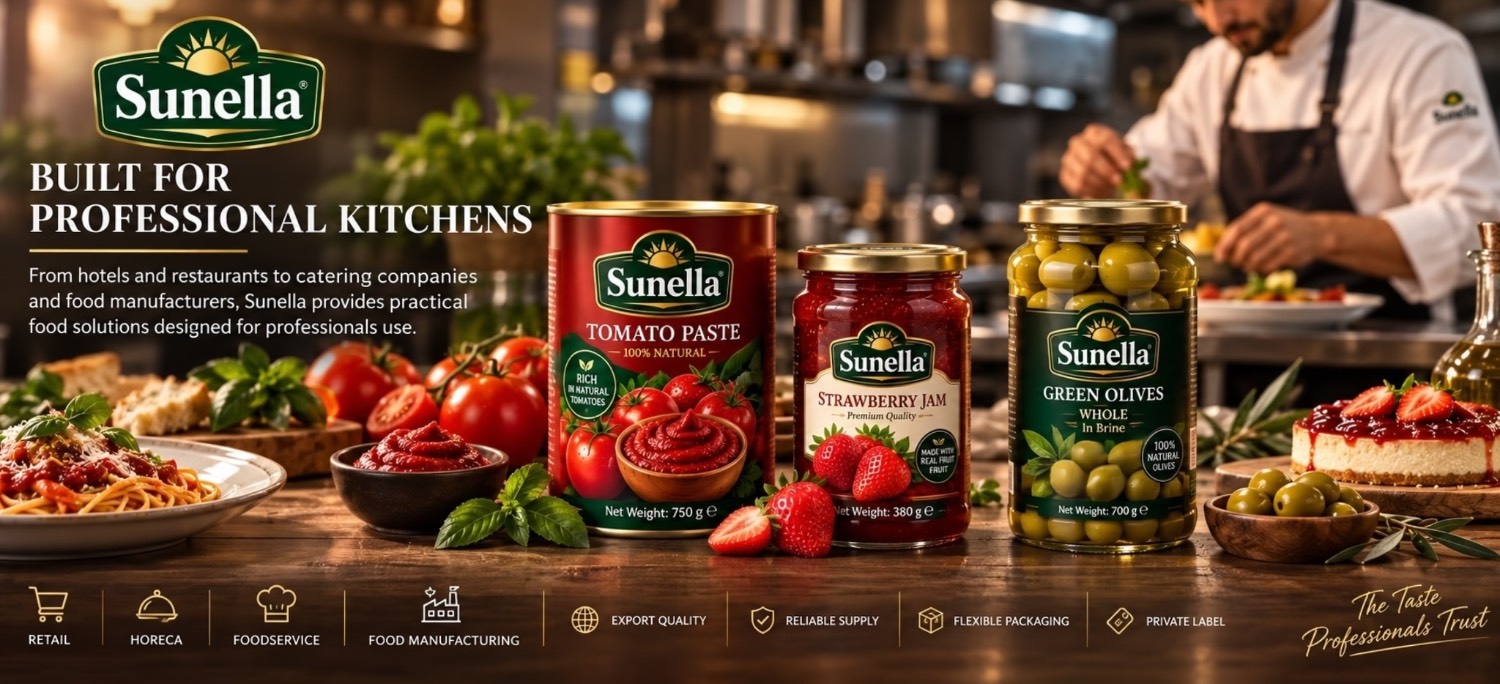
Should You Cook Tomato Paste Before Adding Liquid?
In many savory recipes, briefly cooking tomato paste with oil and aromatic ingredients before adding water, stock or other liquids can help integrate it into the flavor base of the dish.
The appropriate technique depends on the recipe, but this method is particularly common when preparing sauces, soups and stews. Stirring during this stage is important to prevent the paste from catching or burning.
How to Choose High-Quality Tomato Paste
Choosing the best tomato paste should involve more than simply comparing packaging. Consumers, foodservice buyers, distributors and importers may evaluate several characteristics depending on their requirements.
Check the Ingredient Declaration
Always read the product label. The ingredient declaration tells buyers exactly what has been included in the specific formulation and is more reliable than making assumptions based on the front of the package.
Consider Concentration and Specification
Tomato paste can be produced to different concentration specifications. For professional and commercial buyers, understanding the declared product specification is particularly important because concentration can affect formulation, yield and intended application.
Look at Color, Texture and Consistency
A suitable tomato paste should match the expected characteristics of its declared specification. Uniformity is especially important for restaurants, distributors and manufacturers that require repeatable results from one batch or shipment to another.
Choose Appropriate Packaging
Packaging should match the intended application and consumption volume. Household consumers and professional foodservice operations naturally have different requirements, while importers and industrial buyers may require formats suited to larger-volume handling.
What Does Brix Mean in Tomato Paste?
Brix is commonly used in the tomato-processing industry as a measurement associated with soluble solids and concentration. For commercial tomato paste buyers, Brix can therefore be an important part of a product specification.
Different markets and applications may require different specifications. Importers, distributors and food manufacturers should confirm the exact specification offered for the product they intend to purchase instead of assuming that all tomato paste has the same concentration.
Sunella Tomato Paste: A Practical Choice for International Markets
At Sunella Food, tomato paste is part of a broader focus on supplying food products for customers across different markets and applications.
Whether tomato paste is intended for retail shelves, foodservice channels, distribution networks or commercial food applications, buyers need clear specifications, suitable packaging and dependable communication throughout the purchasing process.
Sunella Food aims to make that process straightforward by helping customers identify the tomato paste option that corresponds to their market and business requirements.
Tomato Paste for Importers, Distributors and Foodservice Buyers
Commercial tomato paste purchasing involves considerations that may not matter to a household buyer. Importers and distributors typically need to evaluate product specification, packaging, labeling requirements, target market, quantities and logistics before placing an order.
Foodservice and manufacturing buyers may additionally focus on consistency and how the product performs within their recipes or production processes.
Questions B2B Buyers Should Ask
- What tomato paste concentration or specification is available?
- Which packaging formats are offered?
- What quantities can be supplied?
- What labeling options are available for the target market?
- Which documents or certificates can be supplied for the specific order?
- What are the storage and shelf-life conditions?
- Which export destinations can currently be served?
Confirming these points directly with the supplier helps buyers compare products accurately and reduces uncertainty during procurement.
How Should Tomato Paste Be Stored?
Unopened tomato paste should be stored according to the conditions stated on its packaging. Storage requirements after opening can differ by product and package format, so the manufacturer's instructions should always take priority.
Once opened, good food-handling practices are important. Use clean utensils, avoid unnecessary contamination and follow the label instructions regarding refrigeration and recommended consumption time.
Frequently Asked Questions About Tomato Paste
What is tomato paste used for?
Tomato paste is commonly used to add concentrated tomato flavor, color and body to pasta sauces, pizza sauces, soups, stews, rice dishes, marinades, braised dishes and many other recipes.
Is tomato paste the same as tomato sauce?
No. Tomato paste is generally much thicker and more concentrated than tomato sauce. Tomato sauce normally contains more liquid and is typically used in larger quantities.
Why is tomato paste so concentrated?
Tomato paste becomes concentrated because a substantial portion of the water naturally present in tomatoes is removed during processing.
Can tomato paste be used for pizza?
Yes. Tomato paste can be incorporated into pizza sauce formulations, particularly when a thick consistency and concentrated tomato flavor are desired.
Can tomato paste be used in pasta sauce?
Yes. It can be used to strengthen the tomato character and body of pasta sauces and can be combined with tomatoes, herbs, aromatics and other ingredients.
What should I check when buying tomato paste?
Check the ingredient declaration, product specification, concentration, packaging, storage instructions and any other information relevant to your intended use. Commercial buyers should also confirm quantities, labeling, documentation and logistics with their supplier.
Where can businesses buy Sunella tomato paste?
Businesses interested in Sunella tomato paste can contact Sunella Food to discuss current product specifications, packaging options, quantities and export requirements.
Choosing the Right Tomato Paste
Tomato paste is a simple ingredient with an exceptionally broad range of applications. Its concentrated nature makes it useful for adding tomato flavor, color and body without introducing the amount of liquid associated with less concentrated tomato products.
For consumers, choosing tomato paste starts with reading the label and selecting a product suited to the intended recipe. For restaurants, distributors, importers and food manufacturers, the decision also involves concentration, consistency, packaging, commercial quantities and supply requirements.
Sunella Food can help commercial customers explore tomato paste options according to their market and application. For current specifications, packaging information and business inquiries, contact the Sunella Food team directly.
Frequently Asked Questions About Tomato Paste
Find expert answers to common questions about tomato paste quality, Brix concentration, commercial applications, packaging, sourcing, foodservice use, and international purchasing.
1. What makes a high-quality tomato paste?
High-quality tomato paste is generally evaluated by its concentration, color, consistency, tomato flavor, ingredient composition, processing quality, and suitability for its intended application. For commercial buyers, consistency between batches and compliance with the agreed product specification are especially important.
Importers, distributors, foodservice operators, and food manufacturers should evaluate tomato paste according to documented specifications rather than relying only on appearance or marketing claims.
2. What does Brix mean in tomato paste?
Brix is commonly used in the tomato processing industry as an indicator associated with soluble solids and product concentration. It is an important specification because different concentrations can influence texture, formulation, yield, and commercial application.
Professional buyers should confirm the exact Brix specification of the tomato paste they are purchasing, as requirements can differ between retail, foodservice, and industrial applications.
3. How should importers choose a tomato paste supplier?
Importers should compare tomato paste suppliers based on product specifications, consistency, packaging formats, labeling requirements, available documentation, order quantities, production capabilities, logistics, and suitability for the destination market.
Before placing a commercial order, buyers should request the current product specification and confirm all technical and commercial requirements directly with the supplier.
4. What is the difference between tomato paste and tomato sauce?
Tomato paste is significantly more concentrated and generally much thicker than tomato sauce. Because a substantial amount of water is removed during production, tomato paste provides concentrated tomato flavor, color, and solids in a relatively small quantity.
Tomato sauce normally contains more liquid and is often used in larger quantities, while tomato paste is commonly used as a concentrated ingredient or flavor base.
5. What is tomato paste used for in commercial food production?
Tomato paste can be used in a wide range of commercial food applications, including pasta sauces, pizza sauces, soups, stews, ready meals, rice dishes, marinades, condiments, and other tomato-based formulations.
Food manufacturers should select a tomato paste specification that matches their formulation, processing requirements, desired concentration, and finished-product characteristics.
6. Is tomato paste suitable for restaurants and foodservice businesses?
Yes. Tomato paste is widely suited to professional kitchens because its concentrated character allows chefs and foodservice operators to build tomato flavor and body while controlling the amount of additional liquid introduced into a recipe.
Restaurants, catering companies, and other foodservice businesses should select packaging sizes and product specifications appropriate for their usage volume, menu requirements, and storage conditions.
7. What should distributors check before buying tomato paste in bulk?
Distributors purchasing tomato paste in commercial quantities should verify concentration, ingredients, packaging format, net weight, shelf-life information, storage requirements, labeling, available documentation, order quantities, and destination-market requirements.
Product specifications and commercial conditions should be confirmed for each order because availability, packaging, documentation, and market requirements may vary.
8. What packaging options are important when sourcing tomato paste?
The appropriate tomato paste packaging depends on the target customer and intended application. Retail products require consumer-friendly formats, while foodservice, distribution, and industrial buyers may need larger or specialized commercial packaging.
Buyers should confirm available package sizes, net weight, labeling, storage requirements, and logistics specifications with the supplier before ordering.
9. Why is consistency important when buying tomato paste for B2B use?
Consistency is particularly important for B2B buyers because variations in concentration, texture, color, or flavor can affect recipes, manufacturing processes, product appearance, and finished-product performance.
Restaurants, manufacturers, private-label businesses, and distributors therefore benefit from sourcing tomato paste according to clearly defined specifications and quality requirements.
10. How can businesses source Sunella tomato paste?
Businesses interested in Sunella tomato paste can contact Sunella Food to request current information about available product specifications, packaging formats, commercial quantities, labeling requirements, and export opportunities.
Importers, distributors, retailers, and foodservice buyers should provide their destination market, required quantity, preferred packaging, and product requirements when making an inquiry. This helps the Sunella Food team identify the most suitable available commercial option.
6 thoughts on “The Secret Behind Great Flavor: Why Quality Tomato Paste Makes All the Difference”
So true! I switched to Sunella tomato paste and my pasta sauce finally tastes rich and homemade. You can really taste the difference. 🍅
We love hearing this! 🍅❤️ That rich, homemade flavor is exactly what we aim for with Sunella Tomato Paste. Thanks for choosing Sunella! 🌿
I never thought tomato paste mattered this much until I tried Sunella. One spoon and my pizza sauce went to another level.
That’s what we love to hear! 🍅🍕 A little Sunella can make a big difference. Thanks for making us part of your kitchen! ❤️
Sunella changed my cooking. Rich, thick, and real tomato taste — now I can’t go back. 🍅
That means a lot to us! 🍅❤️ Rich texture and authentic tomato flavor are at the heart of Sunella. Thanks for making us part of your cooking! 🌿